Your bank just made you liable for your agent
23 November 2026 · Deliverd Engineering Team · 6 min read
On 19 November, Business Insider's Ben Shimkus reported on emails and app notices that several big US banks have been sending their customers about AI agents. The message is the same in each:
- Ally Bank: "When you use an AI service, you're responsible for any actions that the AI takes." It adds that AI can "misunderstand your instructions, or follow them in ways you didn't intend."
- Citi, on a page linked from a banner in its app: "AI assistants can make mistakes, and that means you can be liable for errors it makes."
- Chase: "authorized transactions may not be reversible if your information is misused."
Wells Fargo has gone furthest. As Credit Union Daily reported, its revised access agreement, in force from 24 November, says instructions and transactions an AI agent starts with a customer's credentials "will be treated as authorized by that customer, unless otherwise provided by law or regulation." And Jamie Dimon put it plainly on JPMorgan's October earnings call: "If people are using them, they should understand the risk."
Last week we wrote about Bank of America's version, which asks customers not to give an AI their banking password at all. This week's notices go a step further. They assume some people will anyway, and they say who carries the result.
The question nobody has answered yet
Noam Schwartz, CEO of Alice, put the hard part well in a LinkedIn post about the story. Picture your agent talking to your bank's agent, which talks to a payment provider's agent, then a merchant's. Who is responsible when it goes wrong? "How does a bank know which agents to trust, what they're authorized to do, or whether an instruction has been manipulated along the way?"
The banks have answered the first question for now: you are. The other three are still open, and they matter more than they look. Once liability is yours, those three questions are how you defend yourself.
Liability is only as good as your proof
These notices are aimed at people with personal accounts. The same logic reaches every company that lets agents near money, suppliers or customers. If an agent paid the wrong invoice, the company needs more than "the AI did it". It needs to show what was meant to happen and who agreed to it. Without that, a disputed payment is your word against a log you didn't keep.
Three things make that case.
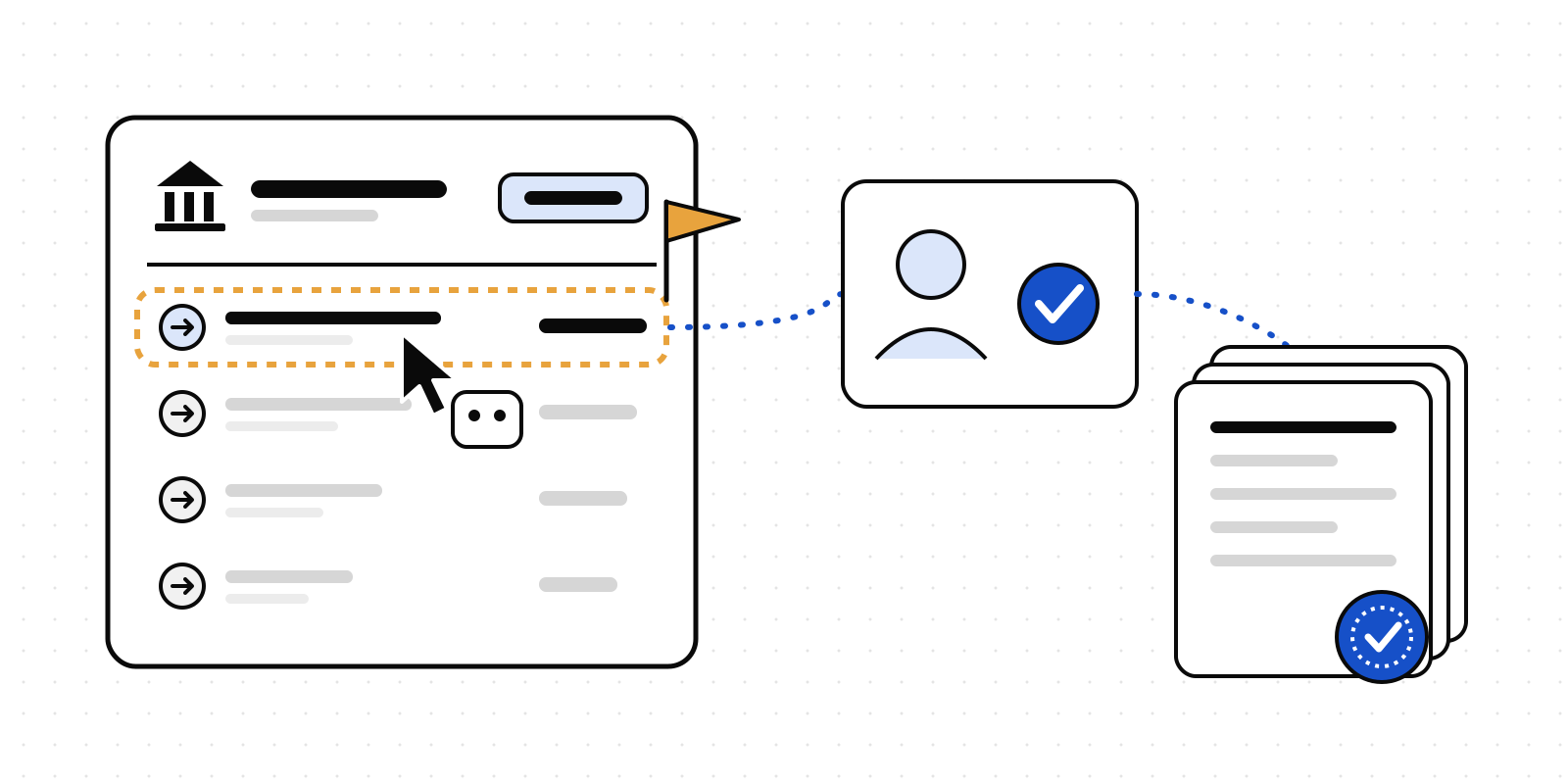
A named person said yes, and you can show what they saw. The agent doesn't act on its own say-so. Before anything consequential, it asks: a payment over a limit, a new payee, a change to bank details. The person it should ask gets the request in Slack, Teams, email or on their phone, and the agent acts only on a yes. The rules that decide who's asked read the real amount and payee the agent sent, not a risk label the agent picked for itself. The record keeps who asked, which rule applied, who answered, when, and what they were shown. An approver can lower an amount before agreeing, and the agent pays the corrected figure. That is the difference between "authorised by the customer" and "authorised by Aoife in finance at 10:42, for €4,800 to this supplier, under this rule".
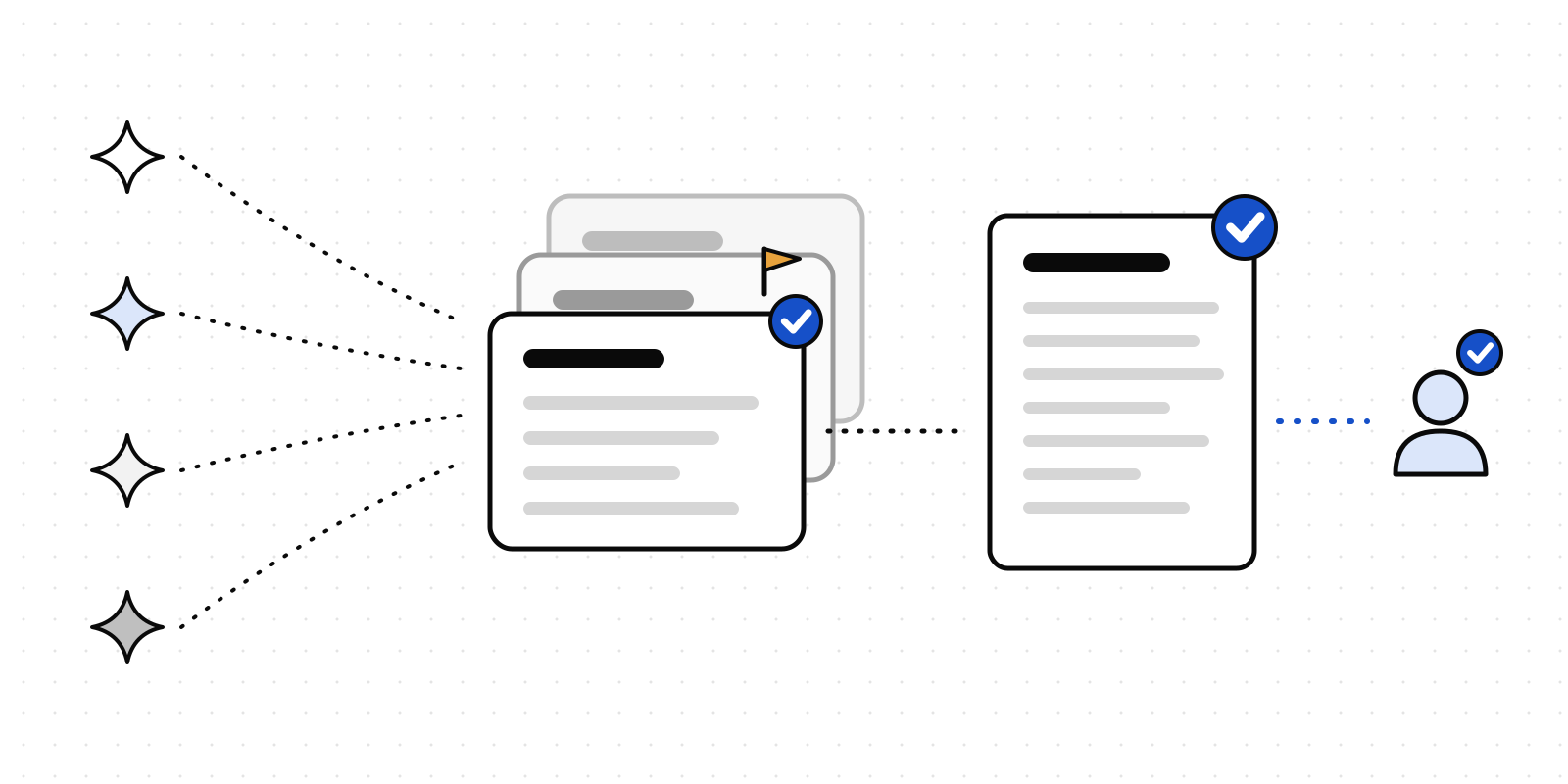
A record of what the agent was told. A lot of agent mistakes aren't rogue behaviour. The agent did what it was told, and what it was told was wrong or out of date. In Deliverd, what your agents should know lives in Context: knowledge that a person confirmed, playbooks for how a job gets done, and approved prompts. When an agent is handed that knowledge with a piece of work, the hand-over is recorded: which entries, when, to which agent, and who confirmed each one. So when someone asks why the agent paid the old account number, you can show whether it was told the new one, and who signed that off. (The Context guide has the detail.)
Proof that holds together for someone who wasn't there. An approval on its own is a line in a database. A dispute needs the whole piece of work. Records → Evidence packs puts it in one file: every request, who was asked, what they said and why, as JSON, CSV or PDF. Each organisation's audit log is hash-chained and every pack is signed, so a changed entry or an edited pack can be detected. We call that tamper-evident, not immutable, because that's what it is. See Projects and evidence packs.
Which agents to trust, and what they may do
Noam's second question is one we have just tested. The banks' answer is a rule: don't share your credentials with an agent. That's right. But a rule is advice, and advice doesn't stop anything.
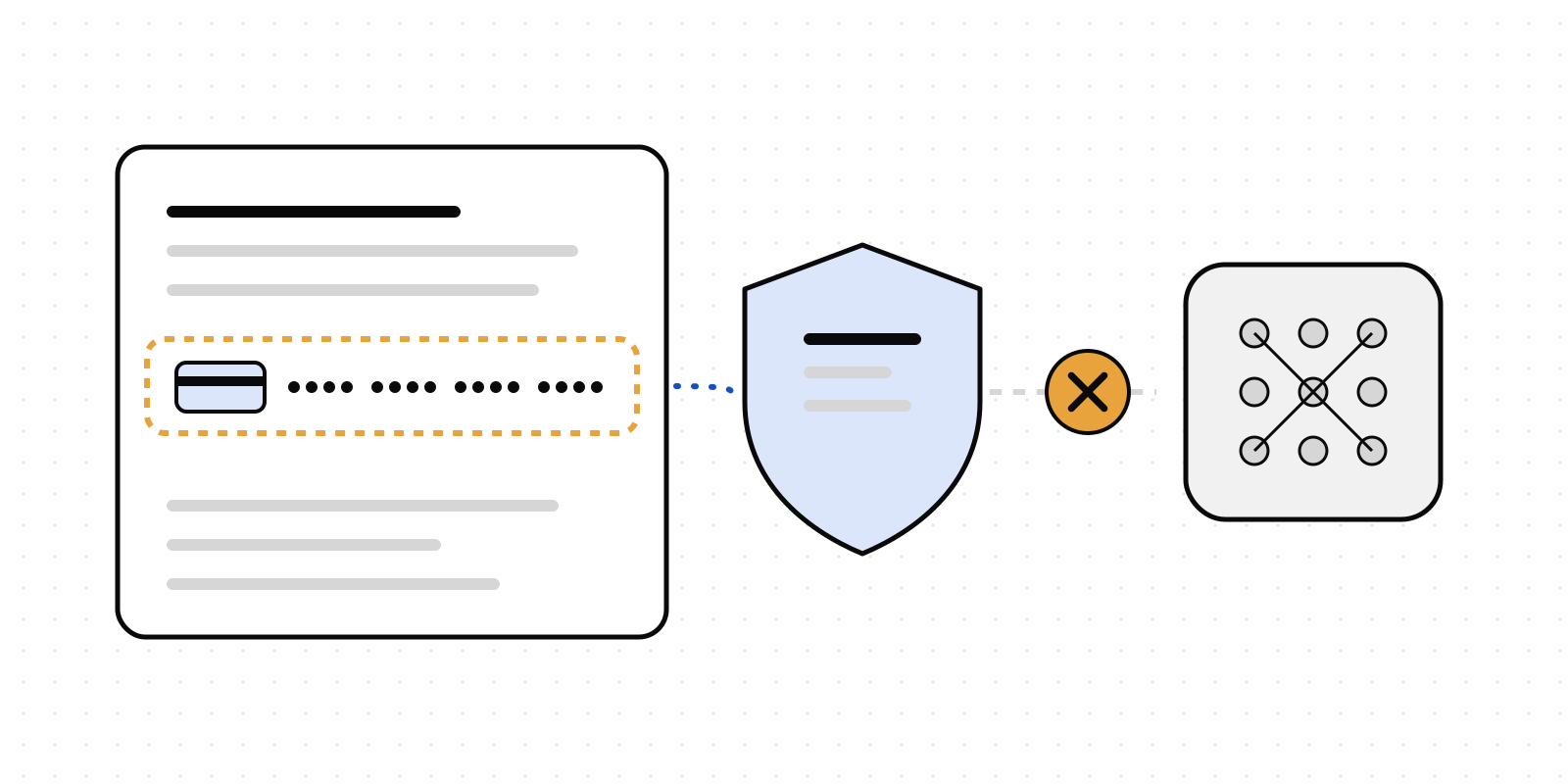
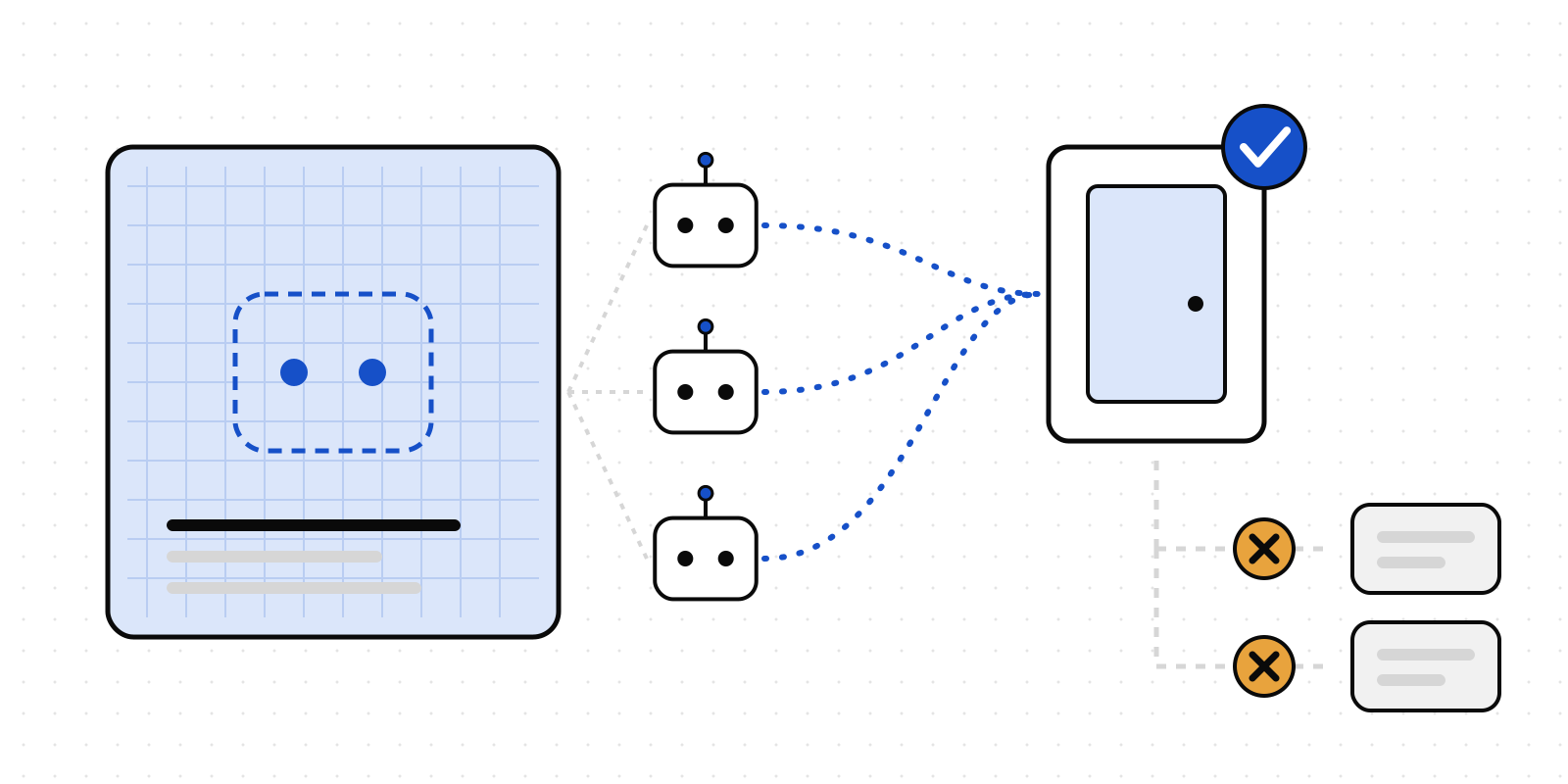
So we tested something stronger in our own Microsoft tenant on 22 November. Microsoft Entra Agent ID gives each agent its own identity, made from a template called a blueprint. Our Deliverd Agent Blueprint kit creates the blueprint, and a Conditional Access policy that blocks agents made from it from every resource except Deliverd. With the policy on, an agent made from the blueprint got its Deliverd token and was refused one for Microsoft Graph. Microsoft did the refusing, not Deliverd and not the agent.
That means those agents never hold a password to anything else. Every action they take goes through Deliverd, where your policy or a named person says yes first. Each one turns up under Agents → Agents the first time it signs in, switched off until an administrator turns it on, unless you chose otherwise.
It has edges, and we'd rather you hear them from us:
- Conditional Access only covers services that sign in through Entra. An agent holding its own API key for something else isn't stopped by it. Our guide shows how to close that gap: put the key in a Deliverd gateway, then roll and restrict it at the provider.
- Conditional Access for agents needs Microsoft Agent 365 with Entra ID P1 or Microsoft 365 E3, or Microsoft 365 E7. Parts of Agent ID are still in preview.
What this isn't
- It doesn't change your bank's terms. If your bank says agent actions count as yours, they still do. What changes is what you can show afterwards, and that you can stop a bad action before it happens.
- Deliverd doesn't hold your credentials or move money. Your agent pays the way it already does. Deliverd decides whether it should, and keeps the answer.
- It isn't legal advice. Whether a given agent payment can be disputed depends on your bank, your account and the law where you are. Evidence helps either way. It doesn't decide the outcome.
Before the next notice
The banks have moved first, and other suppliers will follow. Business Insider notes that Target has already changed its customer agreement so that shopping by an AI agent counts as transactions you authorised. The question for any business running agents isn't whether it carries the liability. It's whether it can show, action by action, who agreed.
If your team is putting agents near payments, suppliers or customer accounts, see how Deliverd works for financial services, or book a pilot and we'll set it up with you.