Four agents, four models, one set of facts
22 November 2026 · Deliverd Engineering Team · 6 min read
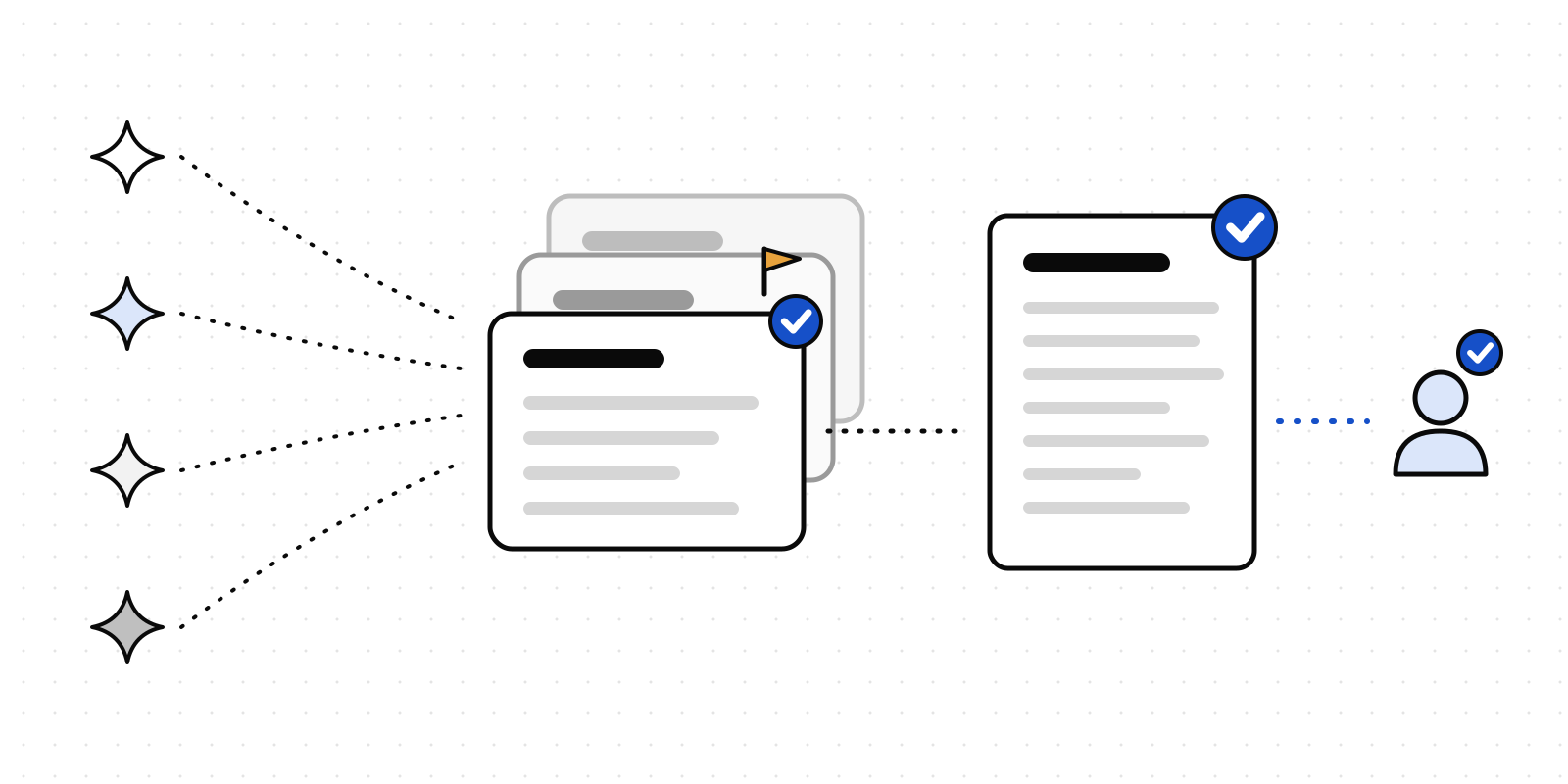
Most organisations don't run one model. The team that built the intake agent liked GPT, the analysts prefer Claude, the document team is on Gemini, and the platform team runs an open-weight model on its own servers for anything that shouldn't leave the building. That's a sensible way to work. The trouble starts when the four agents have to do one job together, because each of them has its own idea of what the organisation agreed.
This post walks through one job done by four agents on four models, sharing one Deliverd Context. The company, the people and the data are invented. The features are the ones in the product today.
The job
Acme Insurance (a made-up insurer) writes a one-page complaints note for its board every month. It used to take a person two days. Now it's a playbook with three steps, plus a fourth agent that looks after the knowledge the others rely on.
| Agent | Model | What it does |
|---|---|---|
| Intake | GPT | Gathers the month's complaints from the support desk |
| Analyst | Claude | Groups them by root cause |
| Writer | Gemini | Drafts the board note and asks for a review |
| Curator | An open-weight model on Acme's servers | Works through flags on the knowledge, overnight |
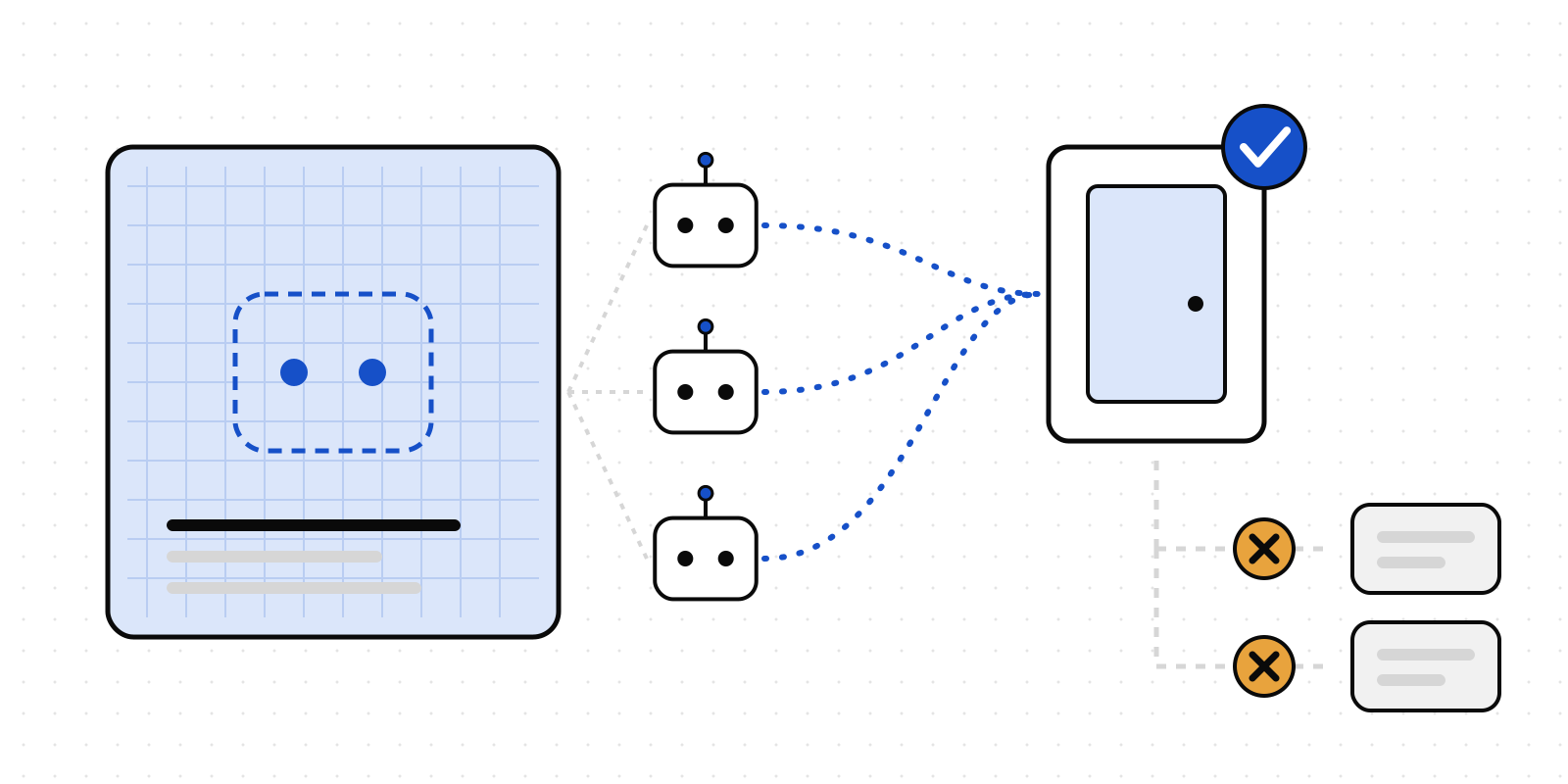
All four connect to Deliverd the same way, over MCP, each with its own key. Deliverd doesn't run them and doesn't pick their models. It holds what they share.
What they share
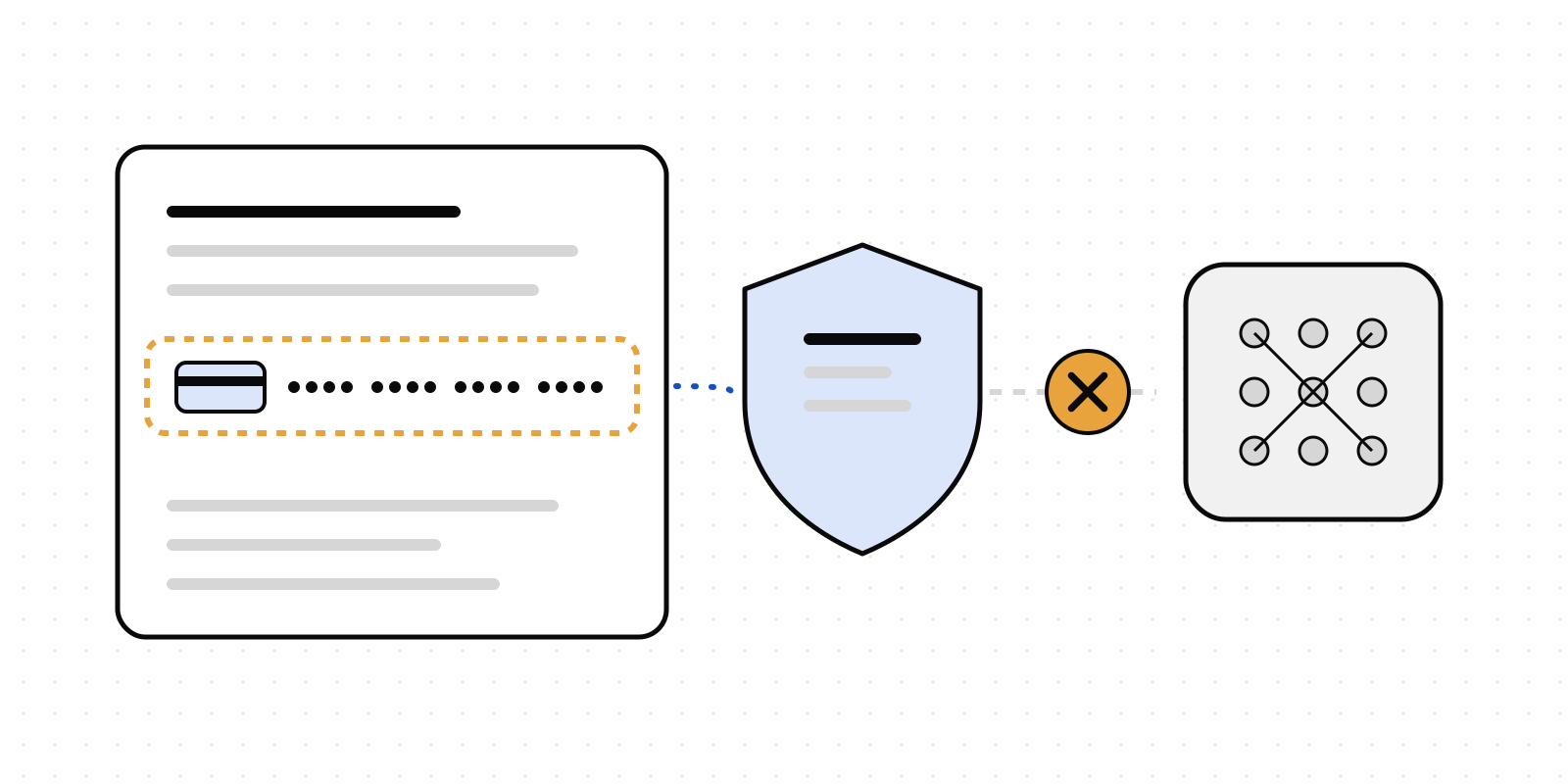
Before anyone automated anything, the complaints team wrote down what a person doing the job needs to know. Four entries in Knowledge, each confirmed by a named person:
- What counts as a complaint (glossary): any expression of dissatisfaction about our service, whether or not the customer uses the word. Confirmed by Priya Nair, compliance.
- Where complaints are kept (fact): complaints are tagged
complaintin the support desk. Confirmed by Tom Kelly, support desk lead. - Root-cause categories (decision): delay, communication, decision, billing, other. Agreed by the complaints committee. Confirmed by Priya Nair.
- Board notes (convention): one page, whole numbers, no customer names or policy numbers. Confirmed by Priya Nair.
And one playbook, Monthly complaints review, put in force by Priya. Step 3 has a Review check, so the draft goes to a person before anyone else sees it.
None of this lives inside a model. When the Writer moves from Gemini to something else next quarter, it's told exactly the same things.
Step by step
Intake starts the run. It calls start_playbook with the month as its reference. Deliverd starts an objective, "November complaints review", with a side task for each step. Intake calls get_task_context on step 1 and gets the instruction, the month, and the two entries the step relies on: what counts as a complaint, and where complaints are kept.
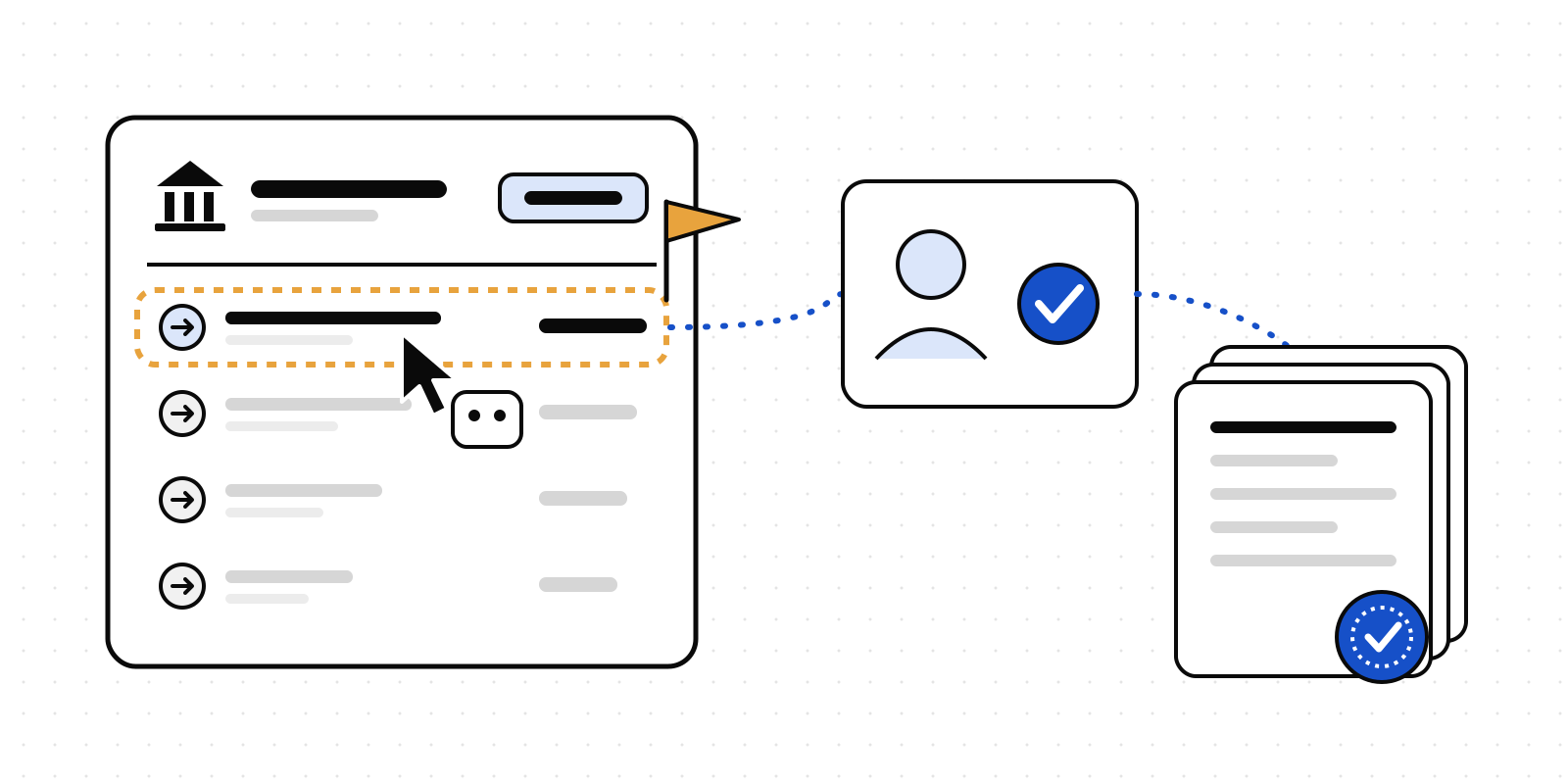
Intake notices something. Only a handful of November tickets carry the complaint tag. Plenty more carry customer-complaint, a tag the desk started using this month. Intake doesn't rewrite the entry, because it isn't the one to decide. It calls flag_knowledge with the reason out_of_date, a note saying what it saw and where, and a suggestion: complaints are tagged complaint or customer-complaint. Then it gathers both tags, says so in its findings, and completes the step.
The flag changes nothing yet. The entry stays confirmed and is still given to agents, now with its flag count beside it, until a person decides.
Analyst picks up step 2. It's a different agent, on a different model, from a different vendor. It calls get_task_context and gets the same agreed words: the root-cause categories the committee settled on. It doesn't invent a sixth category because the data looked interesting. It groups the complaints, records its findings, and completes the step.
Writer drafts the note. get_task_context on step 3 gives it the board-note convention, so the draft is one page with whole numbers and no names. The step's check is a review, so it publishes the draft as a report and calls request_review, and the draft goes to Priya. The request says which agent asked and which model it runs on, { "name": "Writer" } and gemini, and Deliverd shows them on the review as declared. Priya requests one change. The Writer fixes it, publishes a new version and asks again, and this time she approves it.
Curator works overnight. With the curator skill, it reads the open flags with list_knowledge_flags, checks Intake's flag against the desk's tag list, and proposes a revision with propose_knowledge, naming the entry it supersedes and the flag it answers. That's as far as it goes. No tool lets an agent confirm knowledge.
Tom confirms the revision in the morning. The new words replace the old ones. The old entry stays on the record as superseded, with its original confirmation still on it, and the flag closes with Tom's name. December's run will be given the new words, whichever model is running Intake by then.
What the record shows
Open the objective and Context it was given lists each hand-over: when, to which agent's key, which entries, and who confirmed each one. The same list comes out of a terminal:
deliverd knowledge given <objective-id>
So when the board asks why the November figure jumped, the answer isn't "the AI said so". Intake was told complaints are tagged complaint, confirmed by Tom. It flagged that the desk had added a second tag, and gathered both. The categories were the committee's. The note was reviewed and approved by Priya. And the entry now says what the desk does, because Tom confirmed the change.
What this isn't
It's worth being exact about the edges.
- Deliverd doesn't verify models. The agent and model on a request are what the agent said about itself, shown as declared. The record of who asked is the key each agent used, which is why each agent should have its own.
- The record covers what was handed over with the work. That means knowledge given through
get_task_context, a playbook run, an approval or a gate. A free-textsearch_knowledgecall outside a piece of work returns the same confirmed entries, but it isn't written onto an objective. - It isn't a memory inside the model. It's agreed knowledge outside all of them. That's the point. Each model reads it, none of them owns it, and a person decides what goes in.
Try it
Write down three things every agent in your team should know, confirm them, and give two agents on different models the same piece of work. To get started:
claude mcp add --transport http deliverd https://deliverd.dev/api/mcp/v2
npx skills add deliverd-dev/deliverd-skills --skill curator
deliverd playbooks start <playbook-id> --ref complaints-2026-11
Any agent that can call MCP tools connects the same way, whatever it runs on. You can export the lot as Markdown, JSON, AGENTS.md or an Open Knowledge Format bundle whenever you like. It's your context, and no model owns it.