Six teams, six approval steps: the platform team's case for one
19 November 2026 · Deliverd Engineering Team · 2 min read
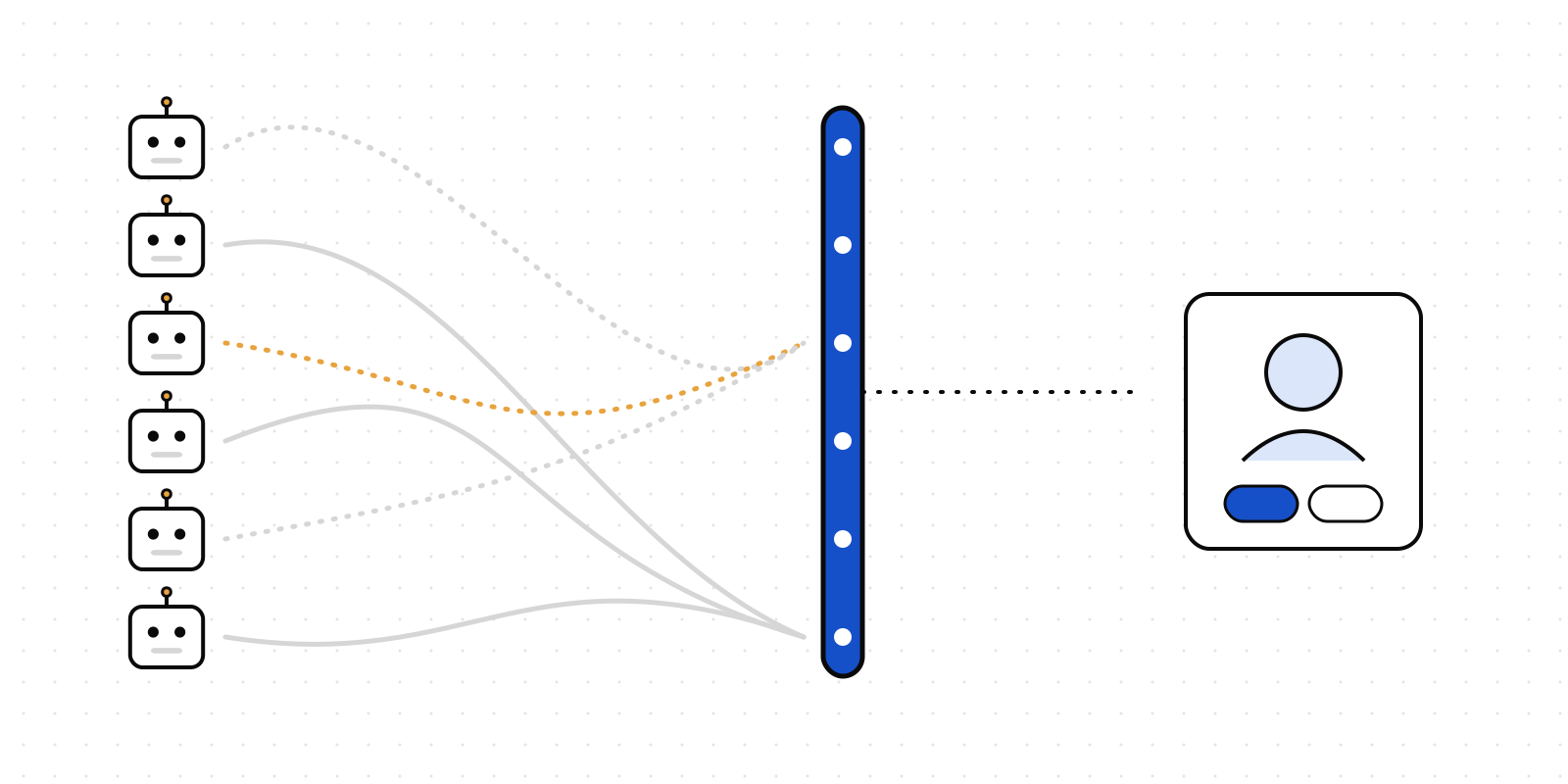
Walk round any company with an AI platform team and count the ways its agents ask a person for permission.
The claims team's agent pauses with a LangGraph interrupt and posts to a Slack channel. The finance agent, built on the Claude Agent SDK, emails a shared inbox. Customer service wrote its own table and a button. The coding agents use whatever hook someone copied from a blog. One agent, nobody is quite sure which, never asks at all.
Six teams, six approval steps. None of them is wrong on its own. Together they are a problem the platform team owns.
An approval is a table and a button. Then there are these twelve.
The first version of an approval step takes an afternoon. The version that survives contact with a real organisation needs to:
- Reach the approver by email, Slack, Teams and a page that works on a phone
- Make a press in chat and a click on the page the same decision
- Stop a requester approving their own request, and an agent approving anything
- Send requests above a limit to two people
- Expire a request nobody answers, and escalate it first
- Let a colleague cover while the approver is away
- Let the approver correct the fields or ask the agent a question
- Tell the agent the answer with a signed, retried callback
- Settle routine requests by policy so only the rest reach a person
- Rehearse a policy change before it goes live
- Keep every request and decision in an audit trail that refuses edits
- Export the record as one evidence pack when an auditor asks
Multiply that by every team, and by every framework they use, and keep it working as channels, rules and auditors change.
Tick off what you've already built →
What the platform team actually wants
A paved road. One way for every agent, in every framework, to ask a person, with the rules written once by the people who own them, and one record that security and risk can read without asking six teams.
That's what Deliverd is. The platform team writes policy once, as reviewable rules: what goes through on its own, what goes to a person, and who that person is. Every agent asks the same way, with one call, over MCP, REST, the SDKs or the CLI. The person answers where they already work. The record is kept as it happens.
Your model gateway, your evaluation tools and your identity provider stay where they are. Deliverd is the part of the platform that decides who has to say yes, and proves they did.
Start with one agent
Add the call to one agent this afternoon. Development mode runs the whole loop on your machine with no key and no network, so you can see it work before anyone signs anything.