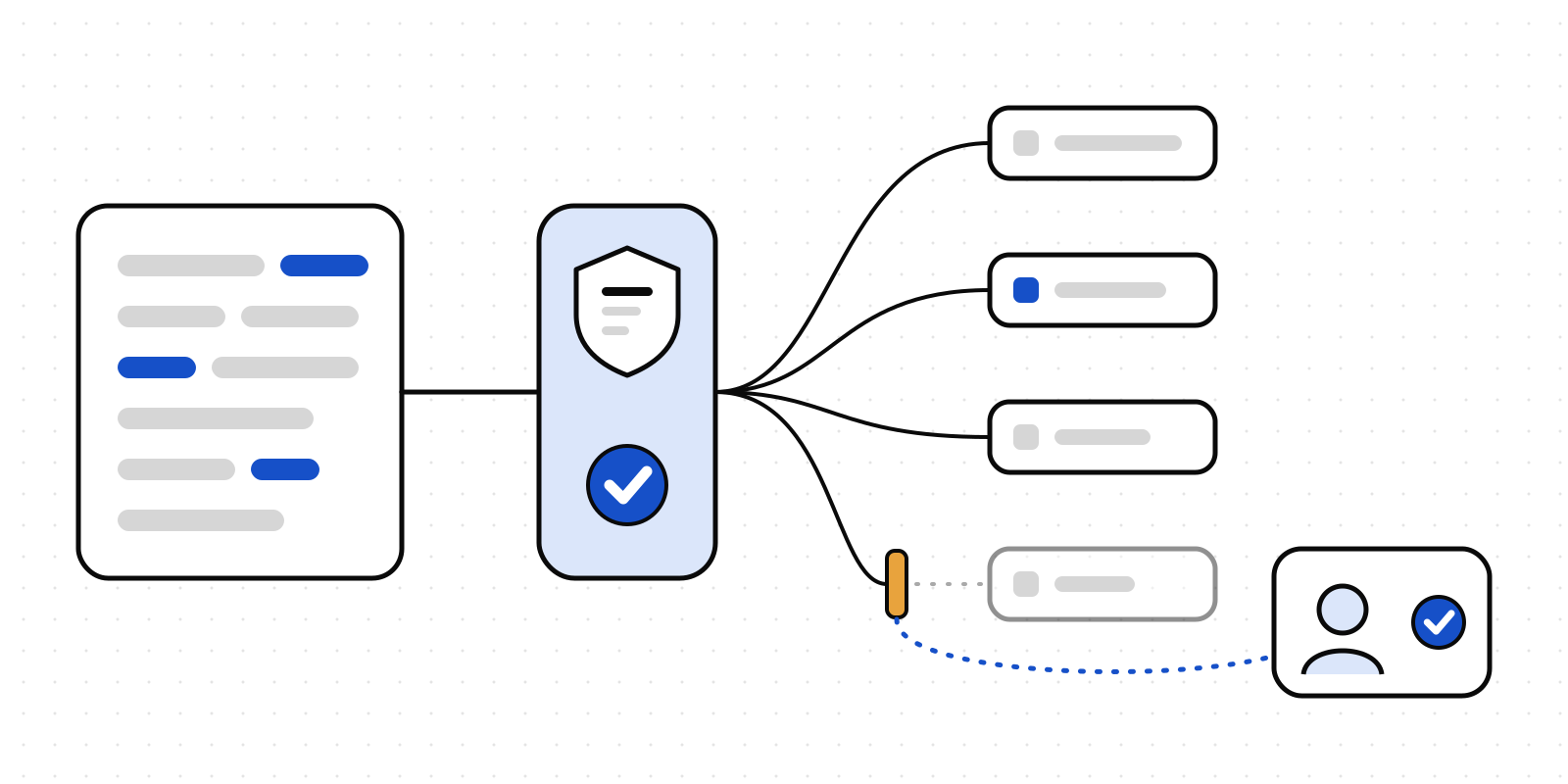
Your agents moved in-house. The yes should come with them.
14 November 2026 · Deliverd Engineering Team · 4 min read
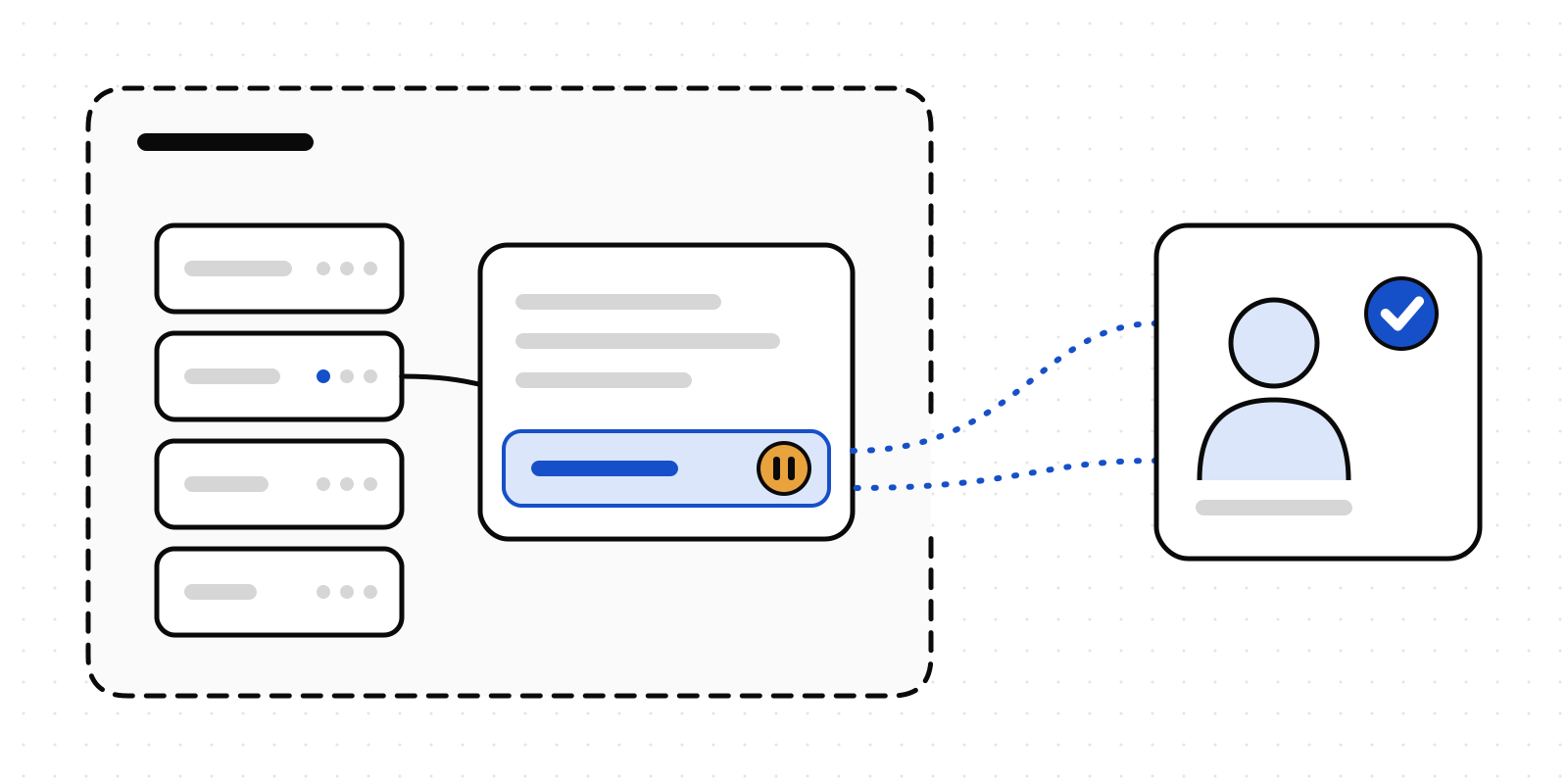
Anthropic has opened a private beta of self-hosted Claude Managed Agents. Managed Agents is Anthropic's service for running agents: an agent loop, sandboxes where the agent's code runs, a vault for credentials, and a record of every session. Until now Anthropic ran it. Now you can run all of it yourself, in your own cloud or your own data centre. The server, its database and the workers that run the agent's shell and file tools are yours. Model calls go to Anthropic, to a cloud provider, or through your own gateway.
For a bank, a hospital or a government department, that changes the question from "can we use this?" to "how do we run it?". The answers on security are good ones. The agent's code runs in a sandbox, and the agent loop, the session history and the secrets stay outside it. A proxy adds credentials to tool calls, so a prompt injection can't read them. Each environment can be held to a list of hosts. Every step is logged.
What the platform leaves to you
There's one decision no platform can make for you: which of an agent's actions a person should see before they happen, and which person.
Managed Agents gives you the switch for it. Each tool, or a whole toolset, has a permission policy. always_allow runs the call. always_ask pauses the session and waits for an answer. A third, auto, lets the server judge each call. Anthropic's own docs are clear that auto is not a human checkpoint: calls it judges safe run before anyone sees them. If a person must review a tool's calls, the answer is always_ask.
So the session waits. Then what? Someone has to notice, read what the agent wants to do, and answer. On Anthropic's hosted service you can get a webhook when a session goes idle. A self-hosted server sends no webhooks at all. Somebody, or something, has to look.
A watcher that asks the right person
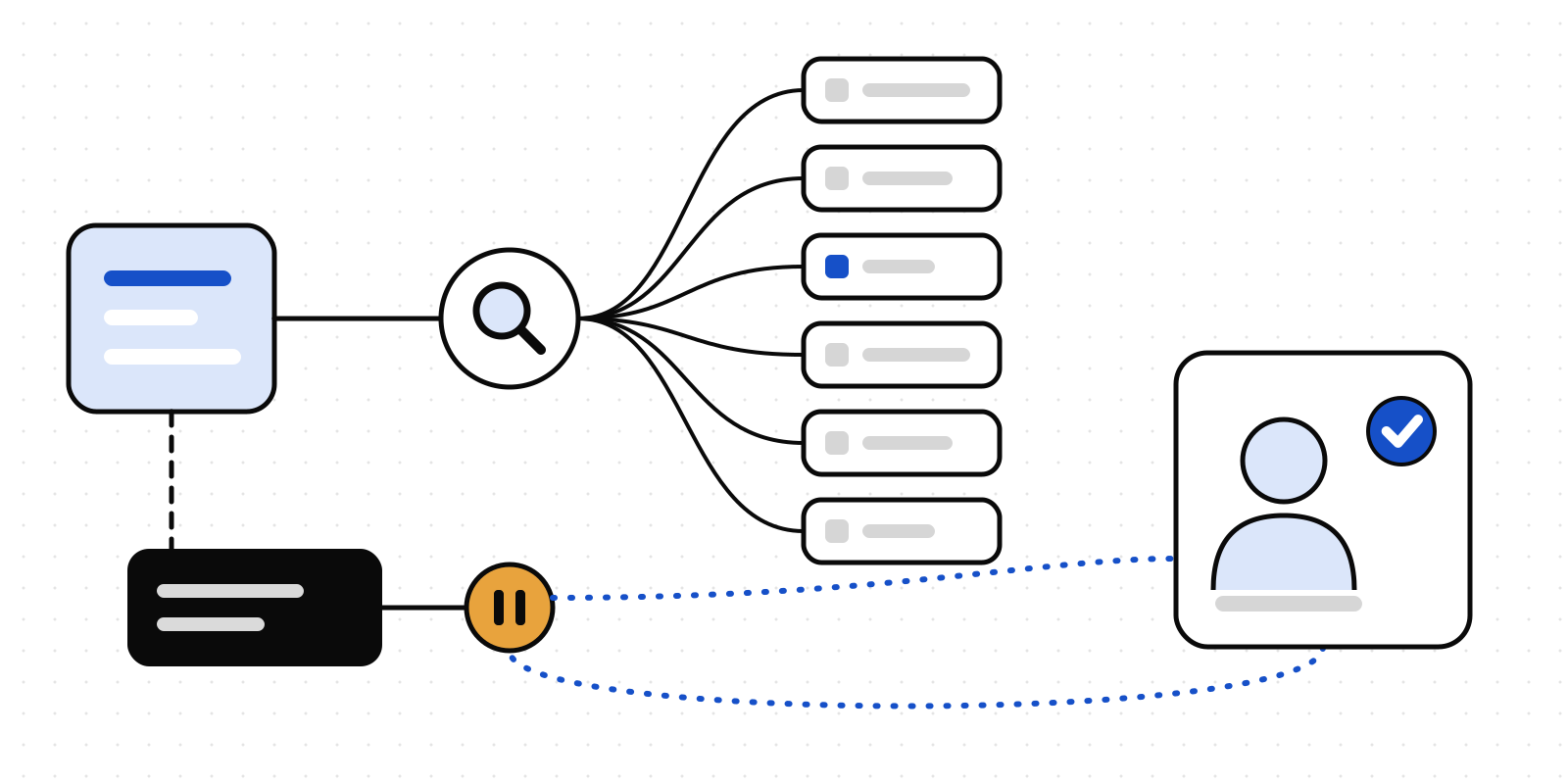
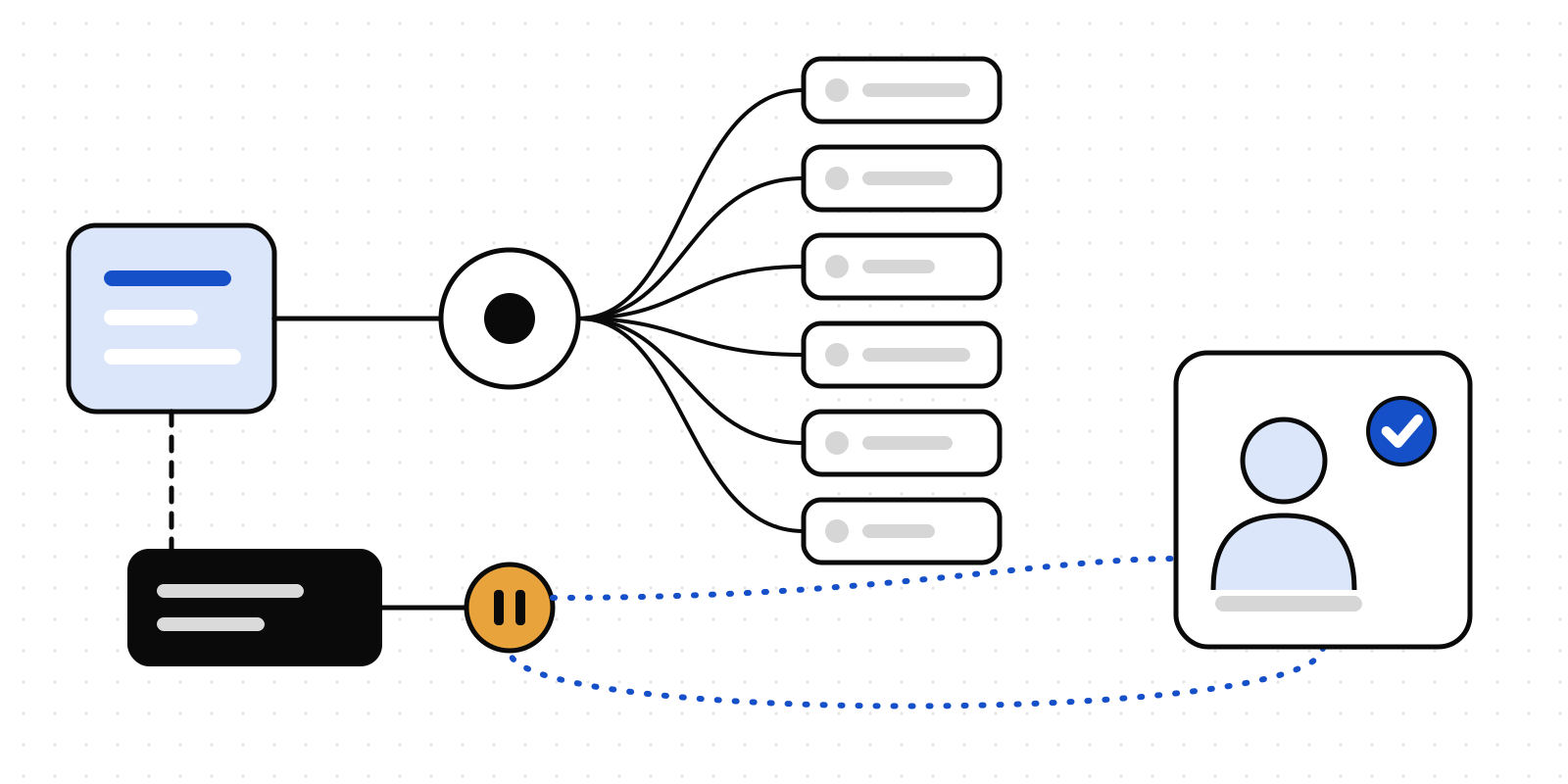
That something is now part of Deliverd's SDKs. You run a small watcher next to your own applications. It looks for sessions that are paused on a confirmation, and for each call that's waiting it asks a named person in Deliverd. They get the request by email, in Slack or in Teams: the tool, the MCP server it's on, and its input, field by field.
from anthropic import Anthropic
from deliverd import Deliverd
from deliverd.adapters.managed_agents import watch_sessions

# ANTHROPIC_BASE_URL is your own server; ANTHROPIC_API_KEY is its key.
watch_sessions(Anthropic(), Deliverd(), approvers=["platform-team"])
The TypeScript version is watchManagedAgentSessions from @deliverd/sdk/adapters. Both are in the SDKs from @deliverd/sdk 0.35.0 and deliverd 0.26.0 for Python. The same code works against Anthropic's hosted service: leave the base URL unset.
When the person decides, the watcher answers the session with a user.tool_confirmation:
- Yes, and the call runs.
- No, and it doesn't. Their reason goes back as the
deny_message, so the agent reads why and changes course instead of trying again. - Yes, but with a change: a confirmation can only carry a yes or a no, so the call is declined and the agent is told the values the person approved. It can call again with those.
- Nobody has decided yet: nothing is sent. A paused session waits for as long as it takes, so the watcher just picks the same request up on its next pass. It never files a second one.
Why the yes belongs outside the platform
You could write your own confirmation screen. The hard part isn't the button, though. It's who gets asked, what happens when they're on holiday, how a reason is recorded, and how you show an auditor six months later who allowed which call. That's the same whether the agent is Anthropic's, Microsoft's, Google's or your own.
Keeping the decision in one place means the platform team can choose the agent runtime on its merits, and the people who answer for the risk keep one queue, one set of rules and one record.
What leaves your network
Self-hosting is about keeping things in. So it's worth being exact about what the watcher sends. For each held call it sends Deliverd the tool's name, its MCP server, its input and the session id, so the approver can see what they're agreeing to. The session history, the credentials and the sandboxes stay on your servers. The watcher needs to reach your Managed Agents server and Deliverd, and nothing else.
If you'd rather the agent asked for itself before it acts, add the Deliverd MCP server to the agent. On a self-hosted server you'll list its host in the server's settings and store an agent key as a bearer credential in the vault. The setup guide covers both routes.
Self-hosted Managed Agents is a private beta, and you request access through Anthropic. If you're running it, or planning to, we'd like to hear what your approvers need. Start free, or read the guide first.