Who said yes? The question that keeps AI agents in pilot
13 November 2026 · Deliverd Engineering Team · 3 min read
An agent refunds a customer €1,240. Another changes a policy record. A third merges a pull request at two in the morning. Each of them did exactly what it was built to do.
Then someone asks a simple question: who said yes?
Not "did the model behave". Not "what was in the prompt". Who, by name, agreed that this action should happen, under which rule, and what were they shown when they agreed?
That is the question a regulator asks. It is the question an auditor asks. It is the question your CISO asks the morning after something goes wrong. And for most teams running agents today, the honest answer is a pause, a Slack search and a guess.
Why the question stops agents shipping
Most AI agent projects don't stall because the model isn't good enough. They stall at the review where someone from risk asks how a person stays in control, and nobody can show them.
So the agent stays in pilot. It drafts, it suggests, it prepares. A person copies the output and does the real action by hand. The time the agent was meant to save is spent on the hand-off instead.
The rules are asking it already
- DORA has applied to EU financial entities since 17 January 2025. It expects control over ICT risk and third parties, and a record when something goes wrong.
- The EU AI Act asks for transparency from 2 August 2026 (Article 50). For high-risk systems, such as credit scoring and life and health insurance pricing, it asks from 2 December 2027 for human oversight by people with the competence and authority for it, with logs kept (Article 14).
- The FCA expects a named senior manager to answer for what the firm's systems do to customers.
None of these say "don't use agents". They all say: be able to show who was in control.
What a good answer looks like
A good answer to "who said yes?" has five parts:
- A rule written down, outside the agent's own code, saying which actions need a person and who that person is.
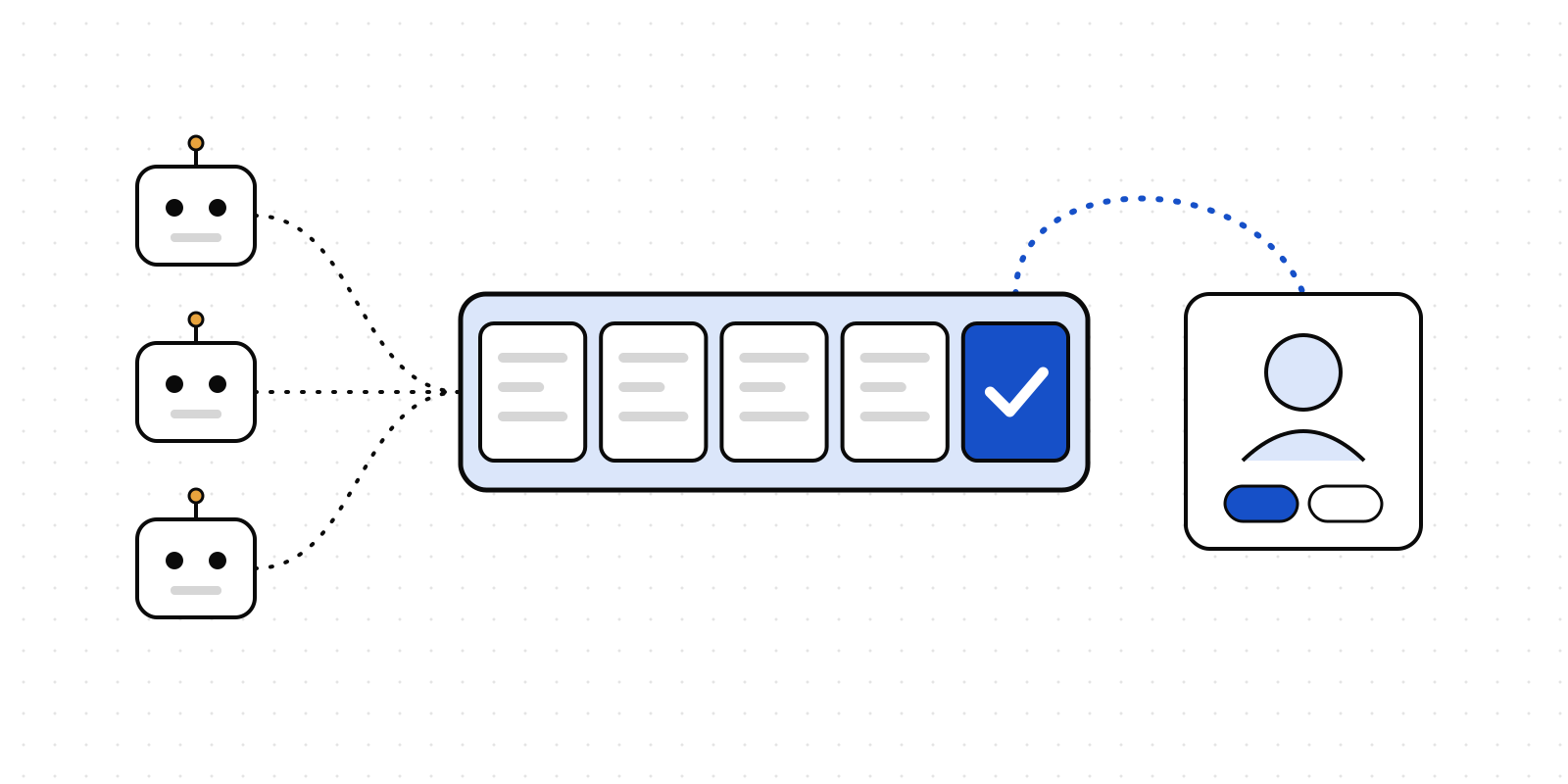
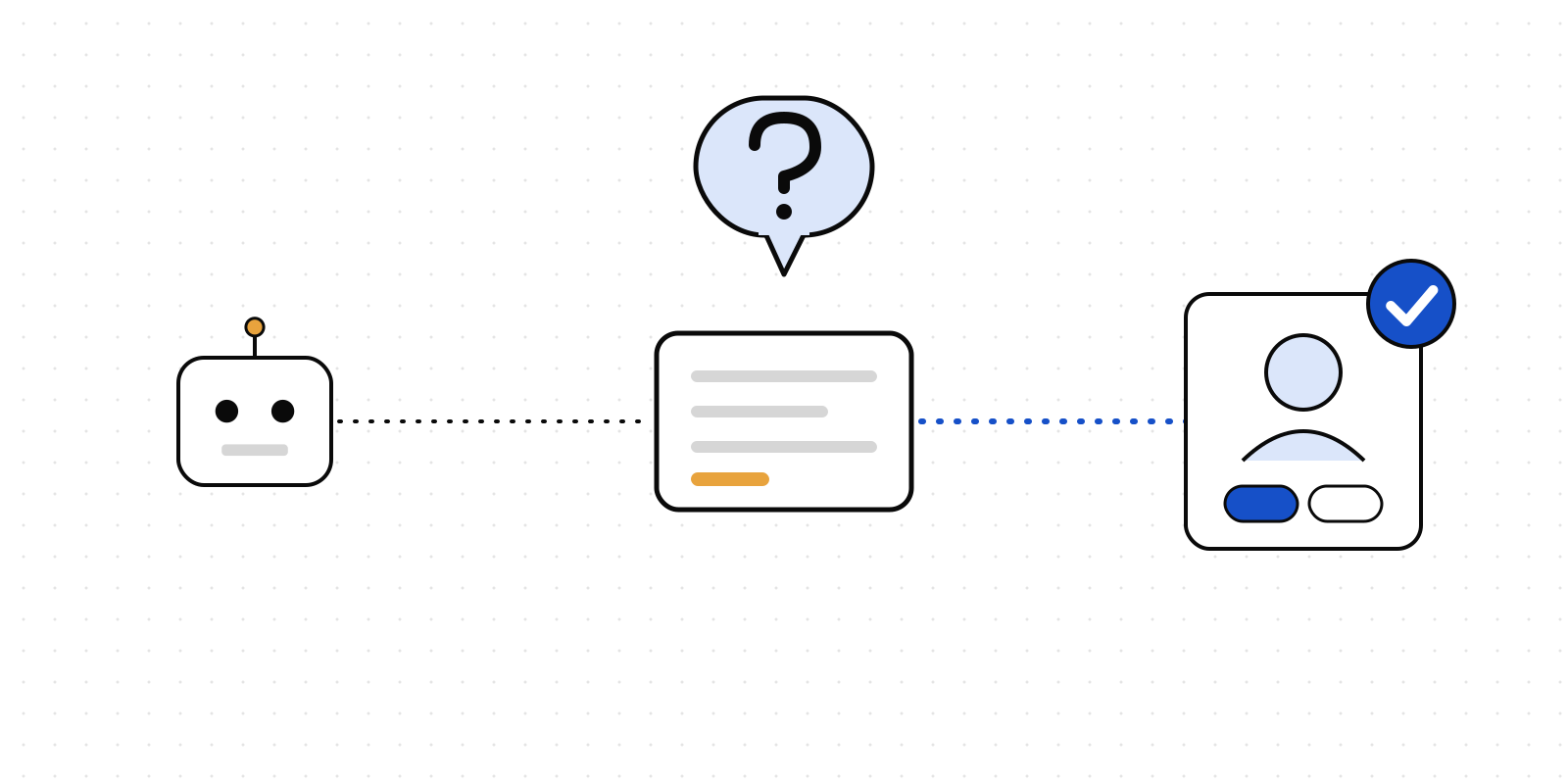
- A named person, reached where they already work, who can approve, reject with a reason, correct the details or ask the agent a question.
- Two people when the amount or the risk is high enough.
- A record of what they saw, kept where nobody, administrators included, can quietly edit it.
- An export you can hand to an auditor in a day, not a month.
Where Deliverd fits
AI does the work. Deliverd does the hard part.
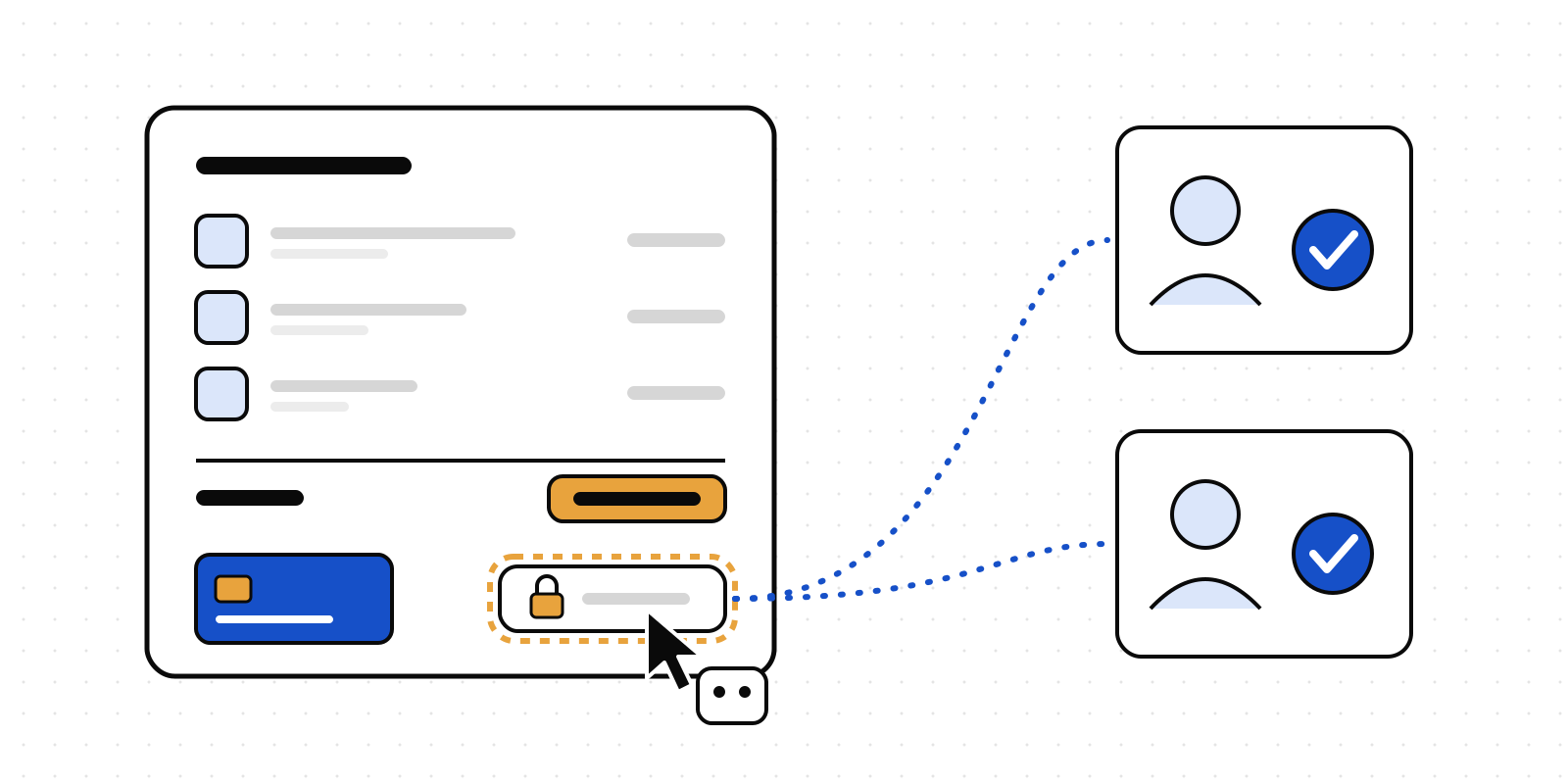
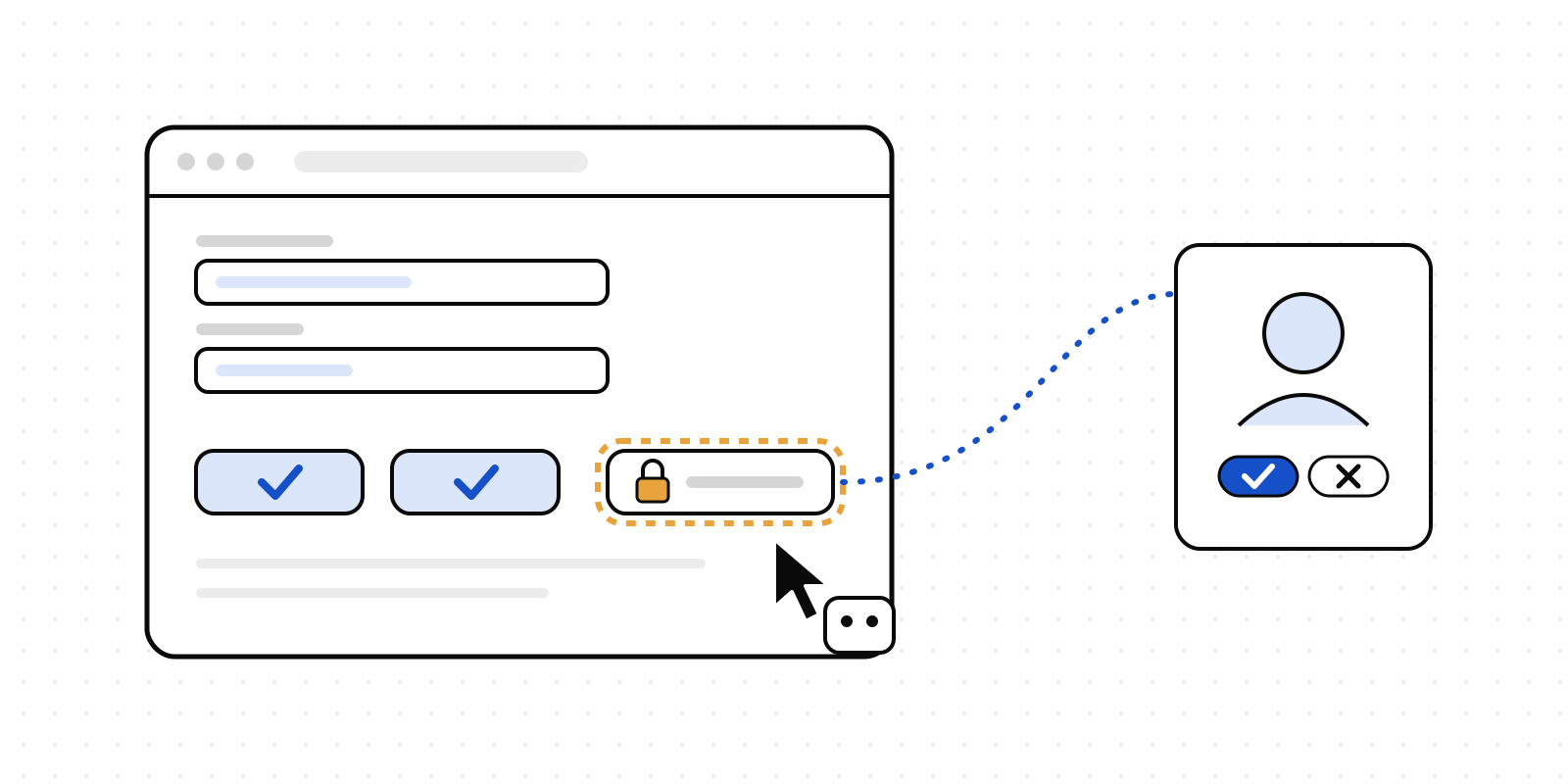
Before a consequential action, the agent makes one call. Deliverd checks it against your policy: routine cases go through, the rest reach the right person in Slack, Teams, email or on their phone. The answer goes back to the agent, and the whole exchange is recorded as it happens, in an audit trail that refuses edits and exports as one evidence pack.
It works with the agents you already run: Claude, ChatGPT, Microsoft 365 Copilot, Cursor, LangGraph, the OpenAI Agents SDK, Amazon Bedrock and the rest, over MCP, the REST API, the SDKs or the CLI.
Could you answer it today?
We built a ten-question check for exactly this. It takes about two minutes, nothing leaves your browser, and at the end it lists the gaps an auditor would ask about first.
If you'd rather work through it on a real agent, we're taking a small number of design partners for a 30 to 45 day pilot: one use case, named approvers, your rules, and an evidence pack at the end. The first three design partners pay half the usual pilot fee. Book a pilot →