OpenAI just put a yes button on agent spending. Who presses it at work?
13 November 2026 · Deliverd Engineering Team · 4 min read
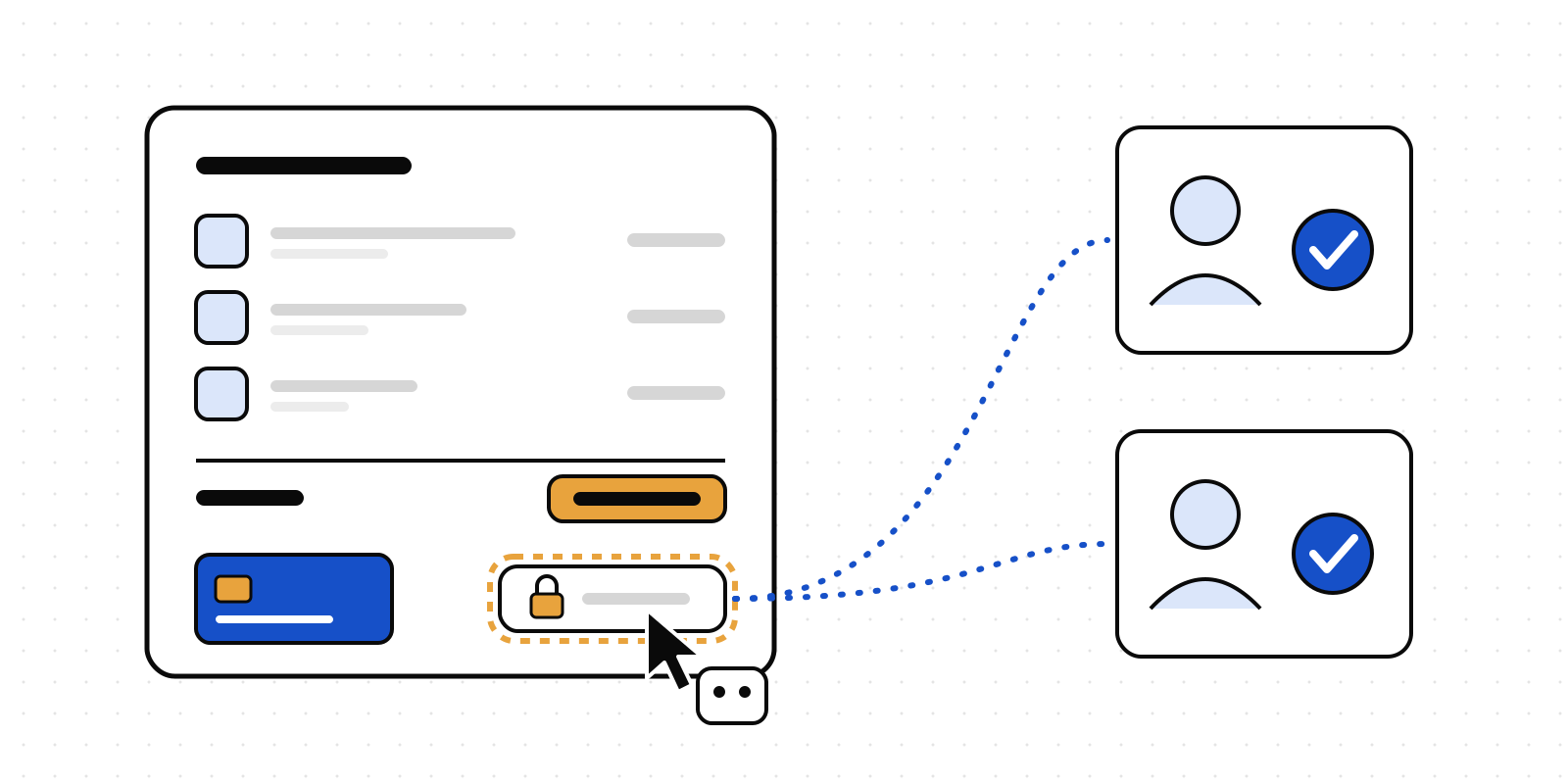
On 13 November OpenAI launched ChatGPT Wallet. It lets dots, OpenAI's agents, buy things for you. You add a card once. When a dot is ready to check out, you see the items, the total and the card, and you approve with Face ID or a fingerprint. The dot never sees your card number: the card network issues a stand-in number for the agent to pay with, and your card's rewards and protections still apply.
It starts small: ChatGPT Pro subscribers in the US, over 18, with a US-issued American Express, Mastercard or Visa card. The direction is clear, though. Agents are going to pay for things.
The best part is the yes
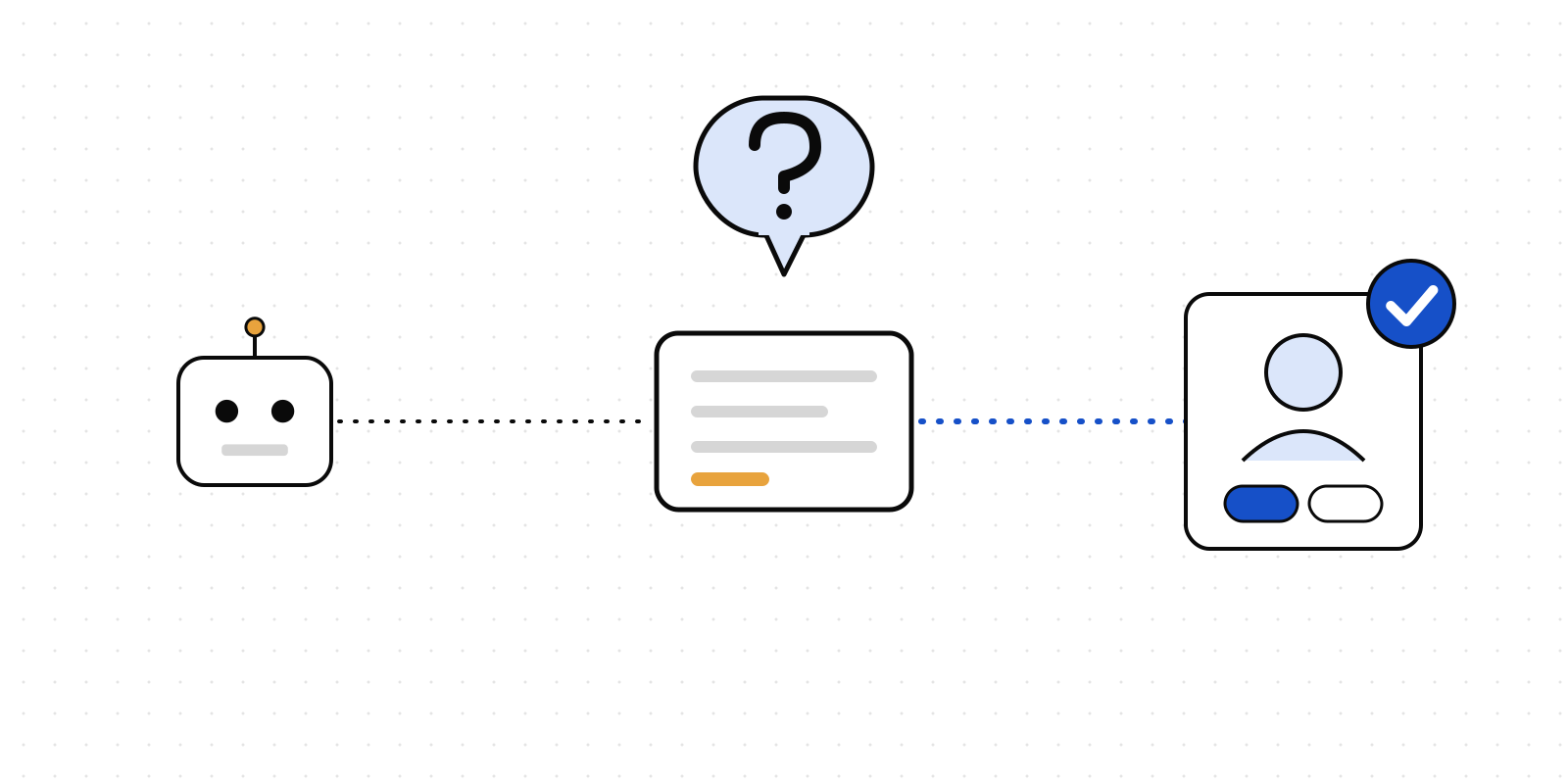
The detail we like most is the simplest one. Every purchase stops for a person, and the approval creates a record of what that person allowed the agent to buy.
That is the whole idea behind Deliverd, built by the company that makes the agents. An agent can find the flights, compare the prices and fill in the form. When money is about to move, a person says yes, and afterwards there is proof of what they agreed to. If the largest AI company makes that the default for spending, the argument that agents should just act on their own gets harder to make.
At work, the card isn't yours
ChatGPT Wallet asks the right question for someone spending their own money: do you want this? When an agent buys something for a company, the question changes in ways a fingerprint on one phone can't answer.
- The person who asked isn't always the person who decides. A marketing manager asks an agent to book a stand at a trade show. Whether the company spends €8,000 on it is a decision for whoever owns that budget.
- Some purchases need two people. Most finance teams already have the rule: above a threshold, a second person signs. An agent shouldn't be the reason it quietly stops applying.
- Small purchases add up. Forty purchases of €45 can each look fine on their own. What matters is the total for the month, across every agent.
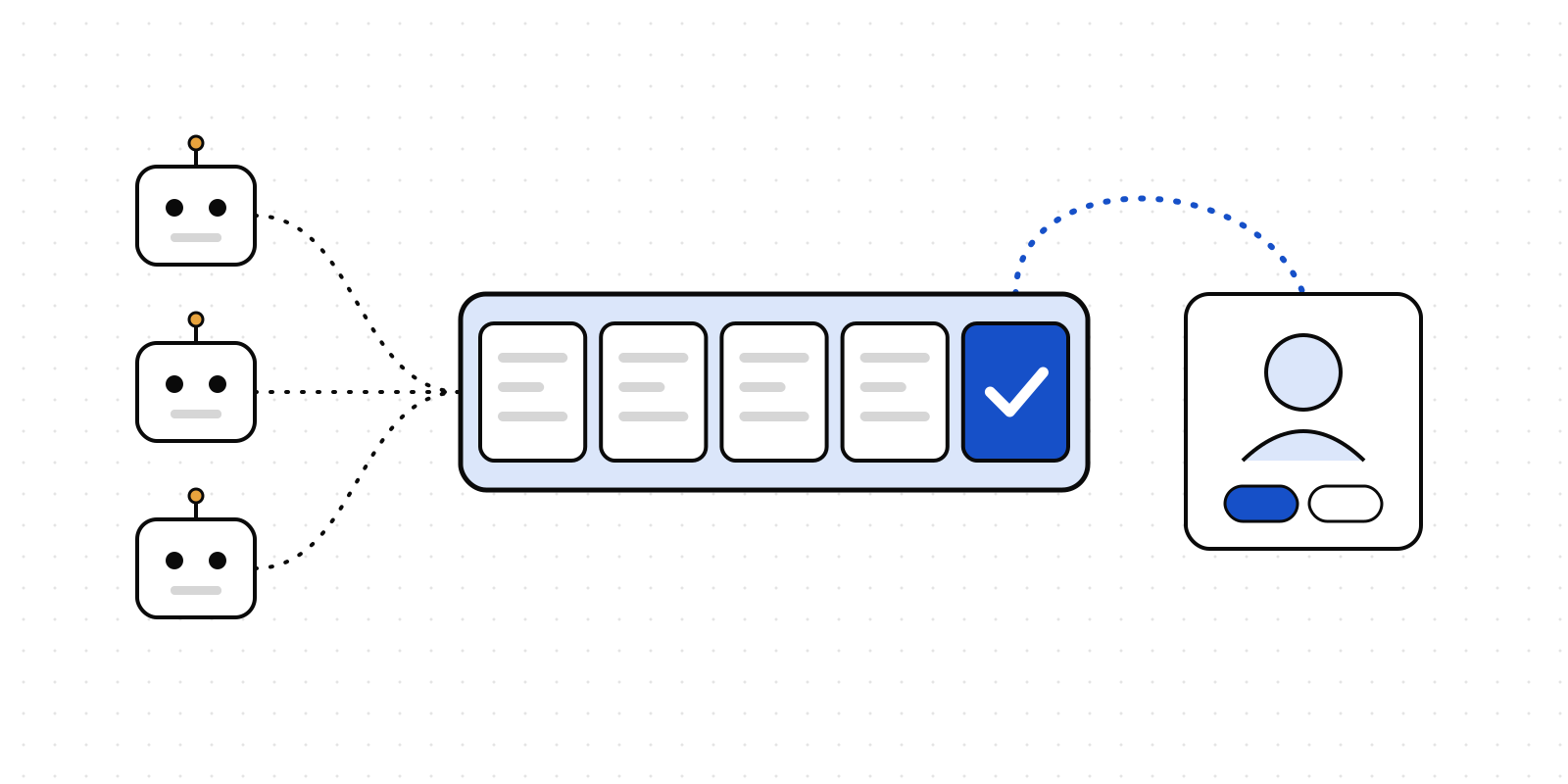
- There's more than one agent. The company's agents run in ChatGPT, Copilot, Claude, its own code and its suppliers' tools. The rules about money shouldn't depend on which one is doing the buying.
- An auditor will ask what the approver saw. "Someone approved it" isn't enough. The record needs the amount, the supplier, the rule that applied and the person who answered.
None of this is a criticism of ChatGPT Wallet. It is a consumer product, and it is designed for one person and their own card. Company money needs its own yes.
What that looks like in Deliverd
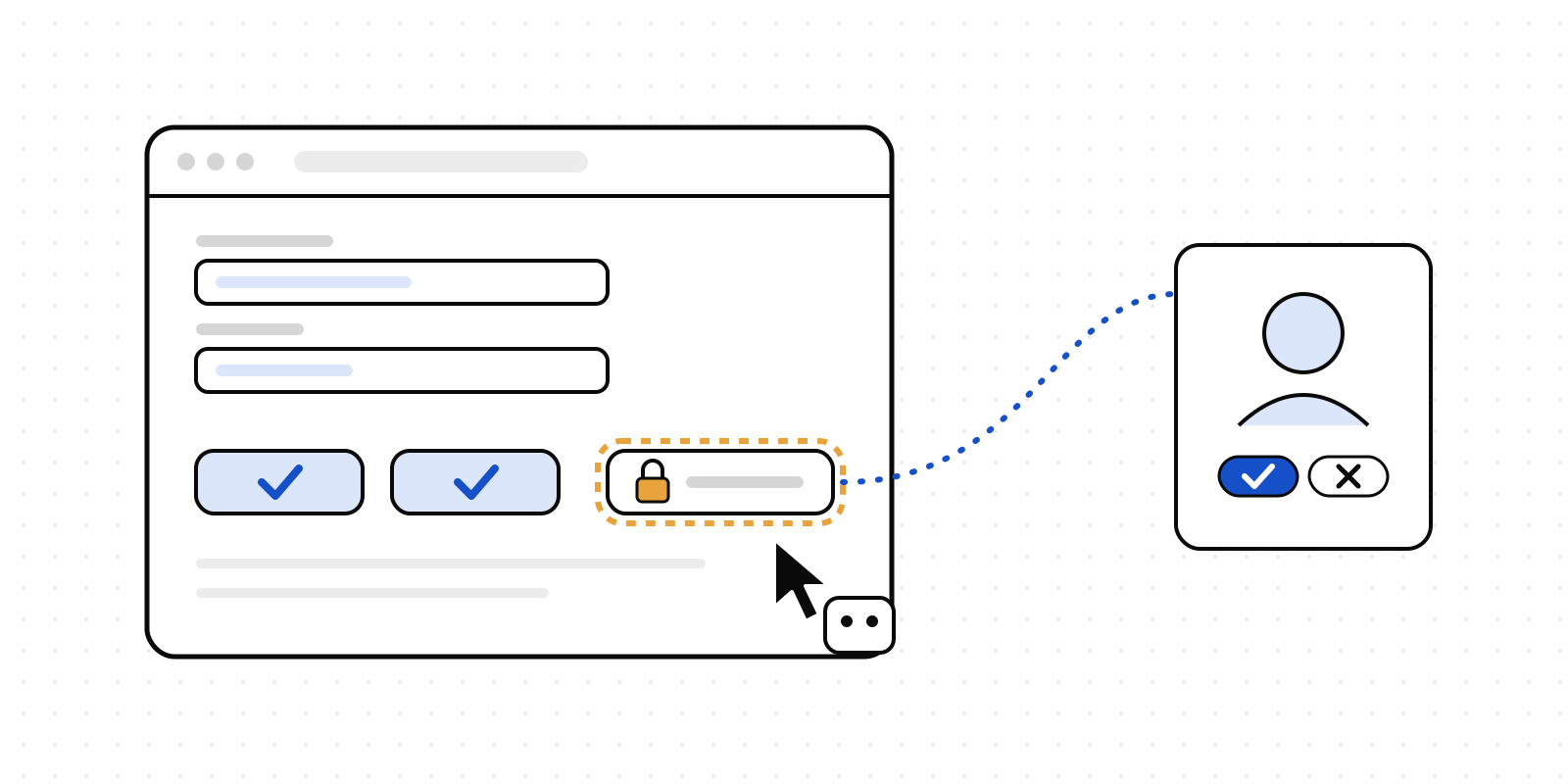
Deliverd already handles this, with pieces you can use today. The agent names the purchase as an action and asks before it pays. Your organisation's rules answer, using the real amount and supplier, not a risk label the agent picked:
{
  "name": "Large purchases need two people",
  "effect": "require_human",
  "match": { "actions": ["payments.purchase"], "input": { "amount": { "gt": 1000 } } },
  "params": { "requiredApprovals": 2, "approvers": ["finance-leads"] }
}
Small buys from suppliers you already use can go straight through. Anything over 1,000 goes to two finance leads, in Slack, Teams, email or on their phone. Anything no rule covers goes to a person. An approver can lower the amount before agreeing, and the agent pays the corrected figure.
A budget sits alongside the rules. An administrator gives an agent a limit per run, day or month. The agent reports each spend before making it. Past the limit, a person is asked whether to raise it and by how much. Afterwards, the record shows who asked, which rule applied, who answered, what they were shown and what was paid.
Deliverd doesn't hold your cards or move any money. Your agent pays the way it already does, through whatever card or payment provider you use. Deliverd decides whether it should, and keeps the answer.
Both yeses count
OpenAI says ChatGPT Wallet will later let people set spending limits and rules by category or time period, so routine purchases go through without asking each time. For your own card, that's exactly right: you write the rules for your own money.
At work, someone else writes the rules: an administrator, under a policy finance has agreed. The agent can't write them for itself, and they cover every agent, not just one assistant.
The two fit together. A dot buying for your company can ask Deliverd first, so your rules or a named person agree, and its user still confirms in ChatGPT Wallet. A Deliverd approval never replaces or skips that confirmation.
The setup is in our guide, Approving agent spending. If your team is starting to let agents spend money, book a pilot and we'll set it up with you.